
Court Escape Shrine Tumble Mega Ways Game Lawful Proceedings in UK
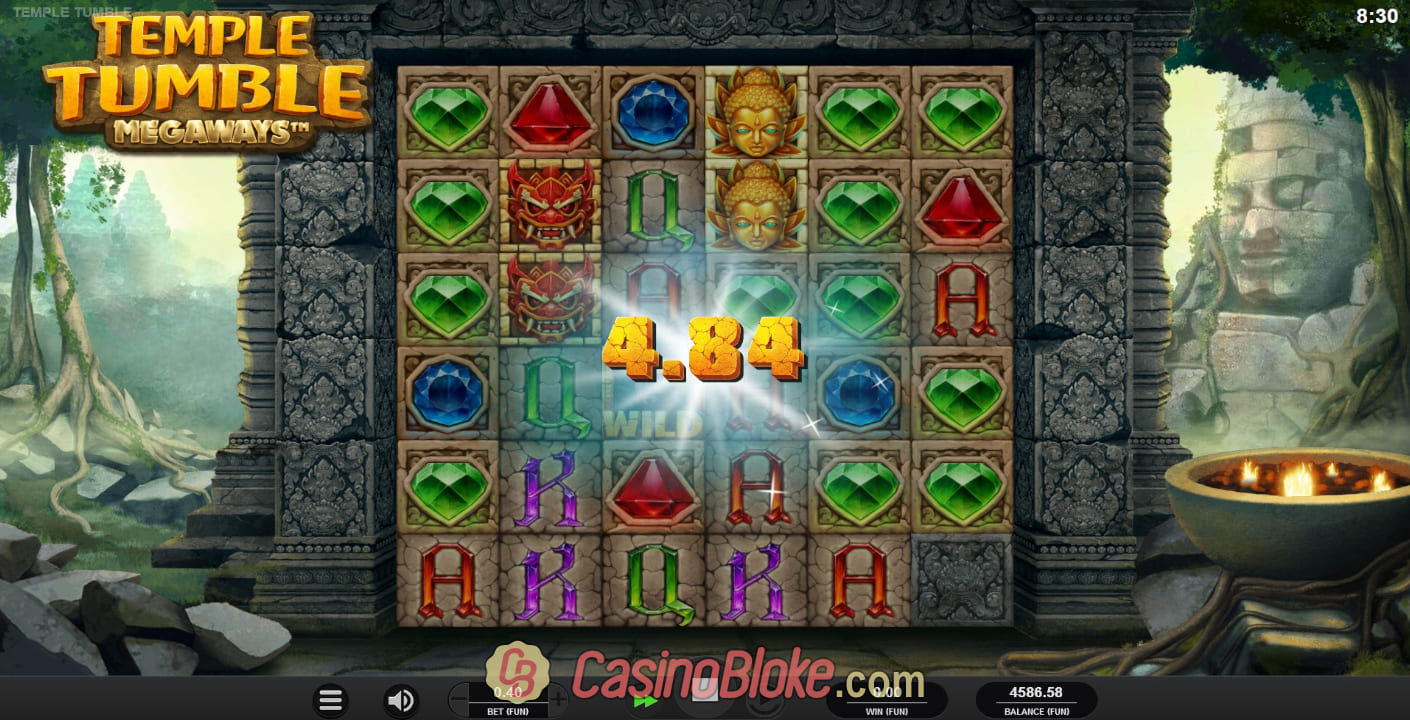
The recent law-related actions surrounding the “Courthouse Break Shrine Tumble Megaways” machine emphasize the detailed balance between creativity and compliance within the UK’s gaming field. As the Gambling Commission increases its scrutiny, developers face mounting pressures not only from regulatory frameworks but also from the need for mental ownership safeguarding. This evolving setting poses crucial questions about how such challenges will mold the future of gaming development and player interaction. Temple Tumble Megaways Slot
Overview of the Shrine Fall Mega-ways Machine Game

The Sanctuary Fall Mega-ways machine combines an novel mechanics system with captivating subject components, generating an enchanting experience for players. Utilizing the Megaways engine, it proactively adjusts the amount of icons shown on each column, enhancing variability and increasing success possibility. The game includes cascading successes, where successful matches vanish to allow new characters to fall into spot, fostering ongoing gameplay thrill. The engaging motif, placed within a lush jungle landscape, is augmented by high-quality images and audio design, drawing users more into the journey. With its complex yet captivating design, Temple Tumble successfully balances chance and planning, drawing to both newcomers and veteran bettors looking for an exhilarating playing adventure paired with the allure of adventure.
Lawful History and Actions in the UK
In recent years, the legal environment regarding online gaming in the UK has evolved greatly, responding to the growing popularity of slot games like Temple Tumble Megaways. The Gambling Commission oversees regulatory practices, emphasizing consumer protection, fairness, and accountability among operators. Legal proceedings have emerged as stakeholders, including players, developers, and regulators, navigate intricate issues around intellectual property rights and compliance. Recent disputes highlight challenges in enforcing intellectual property protections, particularly regarding game mechanics and branding. Additionally, operators face scrutiny to ensure responsible gambling practices, reflecting a increased awareness of gaming-related social concerns. The legal framework remains flexible, adapting to technological advancements and evolving player expectations while working to maintain integrity within the online gaming sphere.
Impact on Online Gambling Regulations
Recent changes in online gambling regulations have significantly reshaped the domain for operators and players alike. The strengthening of compliance protocols imposed by regulatory bodies aims to mitigate risks associated with online gaming. Improved scrutiny regarding advertising practices emphasizes transparency, ensuring that promotional materials accurately represent the odds and potential outcomes. As a result, operators must now adopt rigorous internal controls and responsible gaming measures to maintain licensing. Additionally, the emphasis on data protection has compelled operators to invest greatly in cybersecurity infrastructure. These developments aim to foster a more sustainable and accountable gambling ecosystem. Failure to adapt to these regulatory shifts could lead to significant penalties, reinforcing the necessity for industry diligence and effective governance in these evolving legal terrains.
Player Rights and Consumer Protection
The regulatory structure governing online gambling sets crucial rules for player rights and consumer protection. Fair play criteria ensure that games like the Courthouse Break Temple Tumble Megaways Slot operate transparently and fairly. Additionally, a robust dispute resolution mechanism is critical for addressing player grievances, enhancing trust in the gaming environment.
Regulatory Framework Overview
While players more frequently adopt online gaming platforms like Courthouse Break Temple Tumble Megaways, a solid regulatory system is critical for protecting their rights and ensuring consumer protection. The UK’s regulatory framework, primarily governed by the UK Gambling Commission, sets rigorous standards that operators must comply with. This structure mandates transparency in operations, allowing players to access crucial information about gaming odds, payout percentages, and responsible gambling measures. Additionally, it enforces stringent licensing requirements that help deter fraud and underage gambling. By establishing well-defined mechanisms for dispute resolution and securing compliance among operators, this all-encompassing approach not only safeguards consumers but also fosters a fair gaming environment, crucial for preserving player trust and advancing industry integrity.
Fair Play Standards
Ensuring fair play standards is vital for upholding player rights and consumer protection in online gaming environments like Courthouse Break Temple Tumble Megaways. The integrity of gaming systems relies heavily on clear algorithms and random number generators, ensuring players face fair chances of winning. Adhering to set regulations reduces the risk of exploitation while nurturing trust between operators and users. Regular audits and compliance checks further solidify these standards, assuring that operators maintain consistent gameplay. Additionally, effective communication of terms and conditions allows players to make informed decisions. Protecting player rights also involves responsible gambling measures, which can prevent addiction and promote a healthier gaming environment. Overall, fair play standards are essential for enhancing player confidence and satisfaction in the online gambling arena.
Dispute Resolution Process
In the domain of online gaming, a well-defined dispute resolution process forms the foundation of player rights and consumer protection. This process guarantees that grievances are addressed methodically and fairly. Operators must establish explicit guidelines for reporting disputes, including accessible contact points and timelines for resolution. Regulatory bodies often play a crucial role, offering independent mediation to resolve conflicts between players and operators. Transparency in this process improves player trust, as documented outcomes and statistics can provide understanding into operator reliability. Additionally, adherence to industry standards by operators underpins a commitment to ethical gaming practices. Ultimately, a strong dispute resolution system not only safeguards player interests but nurtures a enduring and trustworthy gaming environment, integral to the industry’s reputation.
Reactions From the Gaming Industry
As the Courthouse Break Temple Tumble Megaways slot captures attention, industry experts have begun to weigh in on its innovative mechanics and potential impact on the gaming environment. Remarkably, analysts highlight the game’s lively use of the Megaways engine, which greatly amplifies player engagement through variable win possibilities. The incorporation of thematic elements relating to legal proceedings intrigued many, suggesting a innovative trend in game narratives. Experts caution, however, that while innovation promotes excitement, it necessitates strong regulatory compliance to protect consumer interests. Additionally, the slot’s complex design represents a shift towards complexity, forcing developers to adapt quickly or risk obsolescence in an increasingly competitive market. Overall, the industry’s response underscores a blend of optimism and apprehension regarding its future trajectory.
Future Implications for Slot Games and Developers
While the Courthouse Break Temple Tumble Megaways slot showcases a significant shift in gaming interactions, it also sets a precedent for future developments in the industry. This case emphasizes the necessity for developers to maneuver an ever more complex legal environment that governs intellectual property and user engagement. As regulatory scrutiny intensifies, developers must implement novel strategies to guarantee compliance while maintaining player interest. The integration of advanced technology, such as AI for personalized gaming experiences, will be vital. Furthermore, promoting transparency in gaming mechanics will likely boost player trust and loyalty. Ultimately, the industry’s evolution hinges on adaptability, prompting developers to adopt legal systems proactively while expanding creative boundaries for sustained growth in the competitive gaming market.
Conclusion
To summarize, the recent legal proceedings surrounding the “Courthouse Break Temple Tumble Megaways” slot game highlight the increasing complication of regulatory scrutiny in the gaming industry. Developers must now achieve a delicate balance between creativity and compliance, ensuring conformance to changing consumer protection standards. This case may set a precedent for forthcoming game releases, underscoring the importance of legal awareness in the creative process. As rules intensify, the industry must evolve to safeguard both players and its own concerns.