
Exploring the cultural roots of gambling more than just chance
Exploring the cultural roots of gambling more than just chance
The Historical Context of Gambling
Gambling has woven itself into the fabric of human history, showcasing our relationship with risk and reward throughout the ages. Early civilizations, such as the Chinese, Egyptians, and Romans, engaged in various forms of gambling, from dice games to betting on chariot races. These activities were not only sources of entertainment but also served as rituals to connect with deities and seek fortune. Today, many people explore new crypto casinos as a modern evolution of these age-old practices.
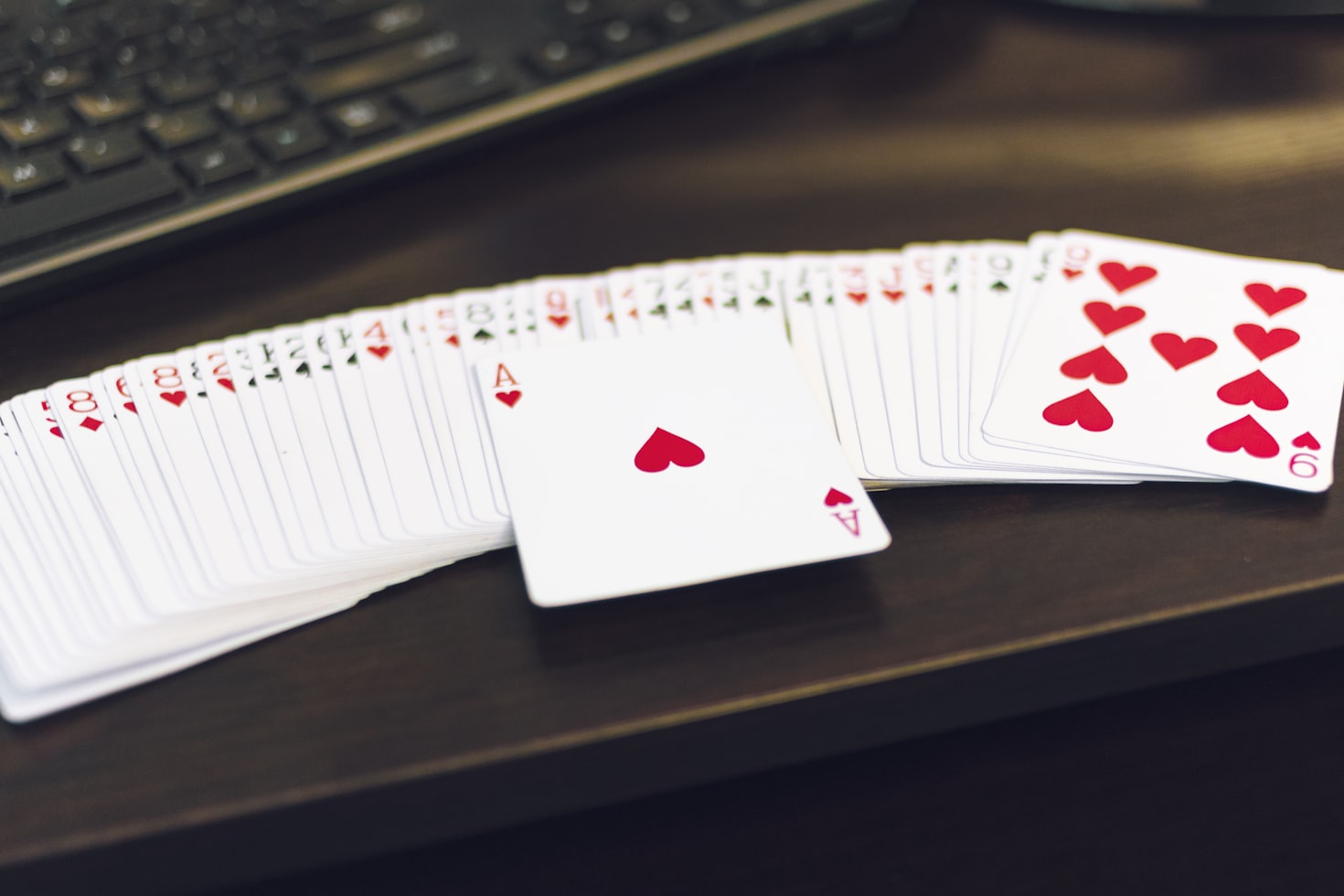
As societies evolved, so did gambling. The introduction of cards in the Middle Ages and the establishment of formal betting houses in the 17th century marked significant milestones. These developments reflect how gambling has continually adapted to cultural shifts, highlighting its role in social bonding and economic exchange.
Cultural Perspectives on Gambling
Diverse cultures interpret gambling differently, revealing a spectrum of beliefs and practices. In some societies, gambling is viewed as a recreational pastime, while in others, it holds deep spiritual significance. For example, Native American tribes often integrate gambling into their cultural festivals, seeing it as a way to preserve traditions and enhance community ties.
Conversely, in certain cultures, gambling is met with skepticism or outright prohibition, tied to moral and religious beliefs. This dichotomy illustrates how gambling is more than a mere game of chance; it embodies cultural values and societal norms that shape individual and communal identities.
The Role of Games in Gambling Culture
Different games of chance have emerged in various cultural contexts, each carrying unique strategies and meanings. For instance, poker, which originated in the United States, reflects a blend of skill and psychological strategy, often viewed as a metaphor for life’s uncertainties. This interplay of chance and skill has made poker a popular pastime that transcends mere gambling.
Similarly, games like mahjong and blackjack are steeped in tradition and strategy. Mahjong, with its origins in China, involves complex tactics and social interaction, while blackjack combines mathematical probability with strategic decision-making. These games exemplify how cultural roots inform the approach to gambling, transforming it from random chance into an art form of skill and strategy.
The Psychology Behind Gambling
The psychological aspects of gambling reveal a deep-seated human fascination with luck and chance. Cognitive biases, such as the illusion of control, often lead individuals to believe they can influence the outcome of games, fostering a sense of empowerment. This psychological phenomenon drives people to engage in gambling, even when faced with odds that statistically favor the house.
Additionally, the thrill associated with gambling can trigger the release of dopamine, reinforcing behaviors that seek risk and reward. Understanding these psychological factors is crucial for both players and regulators, as they shape gambling behaviors and influence responsible gaming initiatives.
About Transatlantic Business
Transatlanticbusiness.org is dedicated to enhancing collaboration and understanding across borders, particularly within the realm of business and trade. Our platform serves as a hub for professionals seeking to navigate the complexities of transatlantic commerce. With a focus on networking and knowledge exchange, we provide valuable resources that empower individuals and organizations alike.
By joining our community, you open doors to new opportunities and insights that can transform your approach to cross-border investment. Explore the vast potential of international collaboration with us, and discover how cultural nuances, including those in gambling, can shape business practices in the global marketplace.
https://shorturl.fm/NClLp